
A máy khoan phay Máy khoan phay đa năng là một loại máy công cụ đa dụng, tích hợp các quy trình khoan, phay, doa, khoét lỗ, taro và hoàn thiện bề mặt trong một thiết bị duy nhất. Không giống như các máy khoan chuyên dụng hoặc máy phay tiêu chuẩn, máy khoan phay đa năng hỗ trợ gia công đa góc theo chiều dọc và chiều ngang, trở thành thiết bị cốt lõi cho các nhà máy vừa và nhỏ, xưởng chế tạo khuôn mẫu, trạm bảo dưỡng cơ khí và các cơ sở đào tạo nghề trên toàn thế giới.
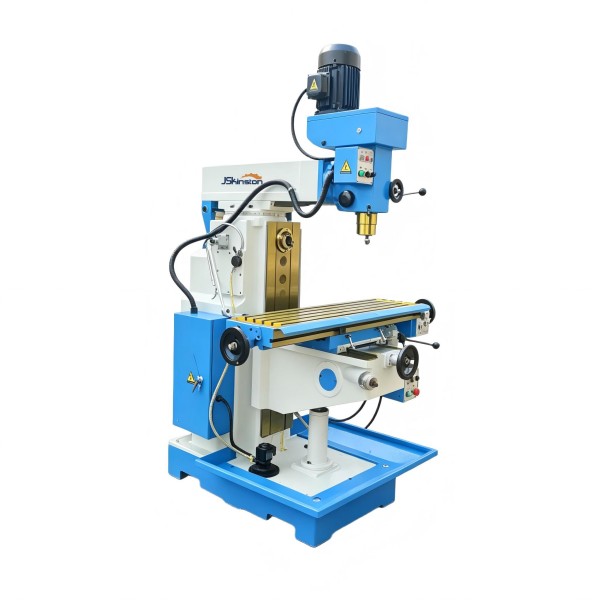
Đối với chủ xưởng và thợ máy, máy phay khoan chất lượng cao giúp giảm chi phí đầu tư thiết bị, tiết kiệm không gian mặt bằng và mang lại độ chính xác ổn định cho việc gia công kim loại theo yêu cầu với số lượng nhỏ đến trung bình. Hướng dẫn toàn diện này bao gồm các bước vận hành máy phay khoan, các chức năng cốt lõi, các trường hợp áp dụng, quy tắc an toàn, khắc phục sự cố và bảo trì hàng ngày để giúp bạn vận hành máy hiệu quả và kéo dài tuổi thọ của máy.
Máy khoan phay chuyên nghiệp nổi bật so với các loại máy công cụ thông thường nhờ năm ưu điểm cốt lõi, điều này giải thích lý do tại sao chúng được sử dụng rộng rãi trong ngành sản xuất và bảo trì trên toàn cầu:
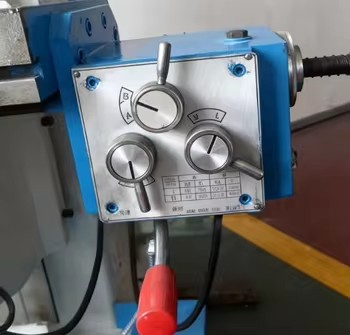
Máy khoan phay tiêu chuẩn hỗ trợ chuyển đổi linh hoạt giữa khoan đứng và phay ngang, cho phép gia công đa góc đối với các rãnh, bề mặt nghiêng, lỗ và bề mặt phẳng. Thiết kế chức năng kép này phá vỡ hạn chế của thiết bị đơn chức năng và cải thiện đáng kể tính linh hoạt trong gia công các chi tiết phức tạp.
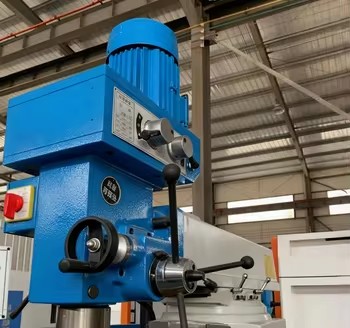
Thân máy bằng gang đúc nguyên khối dày dặn và ray dẫn hướng chính xác được tôi cứng giúp giảm rung động hiệu quả trong quá trình cắt tải trọng cao. Cấu trúc có độ cứng cao đảm bảo hoạt động ổn định của máy, tránh rung lắc dụng cụ và lệch phôi, đồng thời duy trì độ chính xác gia công lâu dài ngay cả trong quá trình làm việc nặng nhọc liên tục.
Được trang bị trục chính mài chính xác và hệ thống truyền động bánh răng tiêu chuẩn, máy khoan phay cao cấp đạt được dung sai gia công cực thấp. Hệ thống hiển thị kỹ thuật số (DRO) tùy chọn giúp nâng cao hơn nữa độ chính xác định vị, đáp ứng các yêu cầu về độ chính xác của gia công khuôn mẫu, sản xuất đồ gá tùy chỉnh và sản xuất các bộ phận cơ khí có độ chính xác cao.
Câu 1: Máy phay khoan có thể gia công những loại vật liệu nào?
Máy thích hợp để gia công thép, sắt, nhôm, đồng và các vật liệu kim loại thông thường khác. Bằng cách điều chỉnh tốc độ và lượng chất làm mát, máy có thể đáp ứng nhu cầu gia công các chi tiết phần cứng, khuôn mẫu và các chi tiết không tiêu chuẩn.
Câu 2: Sự khác biệt giữa máy khoan bàn và máy khoan phay là gì?
Máy khoan bàn chỉ hỗ trợ khoan thẳng đứng đơn, trong khi máy khoan phay tích hợp các chức năng khoan, phay, taro và các chức năng khác, với khả năng gia công đa góc điều chỉnh được, độ chính xác cao hơn và phạm vi ứng dụng rộng hơn.
Câu 3: Làm thế nào để cải thiện độ chính xác gia công của máy khoan phay?
Giữ cho máy luôn được bôi trơn tốt, chọn dụng cụ và tốc độ gia công phù hợp, kẹp chặt phôi, làm sạch phoi kịp thời và hiệu chỉnh độ chính xác của máy thường xuyên; hệ thống DRO tùy chọn có thể cải thiện hơn nữa độ chính xác định vị.
Để lại lời nhắn
Quét mã để gửi đến WeChat/WhatsApp :